
Case Study: Myanmar: The Paramilitary‑Organised Crime Nexus in Myanmar’s Borderlands
June 2026
Briefing Note 51
Dr Patrick Meehan (University of Manchester)
SOC ACE Project: Para-statal armed groups, illicit economies and organised crime
PUBLICATION SUMMARY
This briefing note forms part of a series of publications generated through the Policy Lab convened by Goodhand and Meehan, and supported by SOC ACE, to explore new approaches to addressing the paramilitary-organised crime nexus and how better to integrate responses.
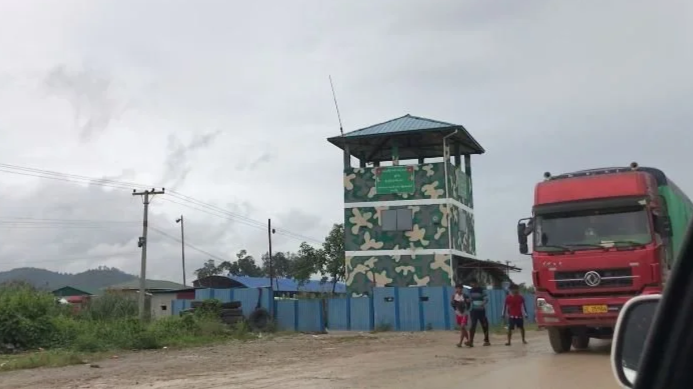
This Case Study argues that militias and border guard forces in Myanmar are not simply criminal actors but deeply embedded components of the Myanmar military’s wider system of borderland governance. It shows how these groups have been granted protection, autonomy and economic opportunities in return for policing strategic territories and supporting counterinsurgency efforts, enabling them to become central actors in licit and illicit economies, including drugs, gambling and online scam centres.
The paper highlights how this paramilitary–organised crime nexus has expanded in Myanmar’s borderlands, especially since the 2021 coup, and explains why responses have had limited impact: militias are protected by the state, peace processes have largely ignored them, and regional actors have prioritised stability and trade over deeper structural change. China has emerged as the most consequential external actor, but its harder line has often displaced rather than resolved criminal activity. The implications for policymakers are that durable solutions cannot rely on the Myanmar military to dismantle its own allies. Instead, responses must recognise the structural role of militias, focus on transnational financial and criminal networks, mitigate humanitarian and cross-border harms, and engage seriously with the opportunities and limits of working with regional powers, especially China.
RELATED PUBLICATIONS
Read the full series of publications from Jonathan Goodhand and Patrick Meehan’s Policy Lab on ‘Addressing the Paramilitary-Organised Crime Nexus in War-to-Peace Transitions’.
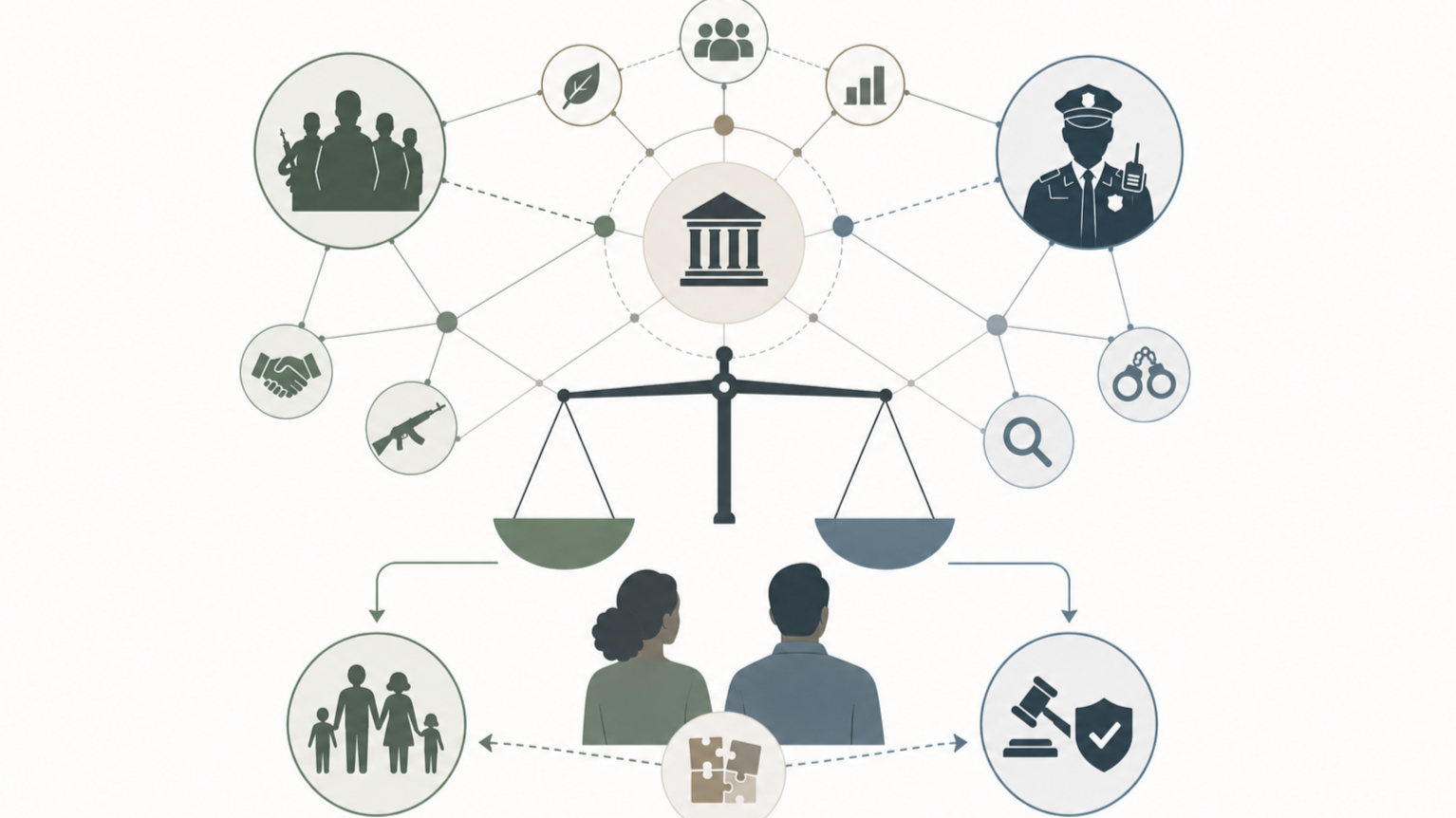
Paramilitaries and Organised Crime in War-to-Peace Transitions: Policy Challenges and
Responses
How have policymakers sought to address the paramilitary-organised crime nexus, what are the challenges and what are the lessons? Read here…

Paramilitary-Organised Crime Nexus: A framework for policymakers
A framework for assessing policy responses to the paramilitary-organised crime nexus from Goodhand and Meehan. Read here…

Paramilitary-Organised Crime Nexus: Implications for supporting peace processes
How does the paramilitary–organised crime nexus shape war‑to‑peace transitions, and what are the implications for peace process support? Read here…

Paramilitary-Organised Crime Nexus: Implications for DDR and SSR Programmes
DDR/SSR in paramilitary-affected contexts requires tailored strategies, improved intelligence & analysis, conditionality for participation, and government coordination. Read here…

Paramilitary-Organised Crime Nexus: Implications for Development Programming
What should development actors consider when programming to address paramilitary-organised crime nexus in war-to-peace transitions? Read here…
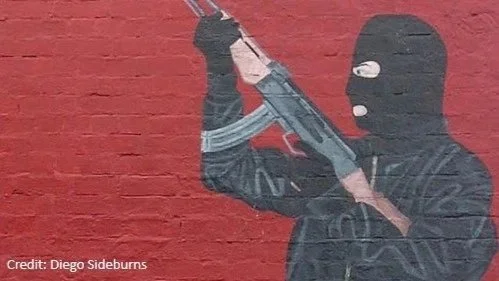
Paramilitary-Organised Crime Nexus: Implications for Addressing Organised Crime
How to address organised crime when paramilitary criminal activities are embedded in political, territorial and governance systems rather than being solely profit-driven? Read here…
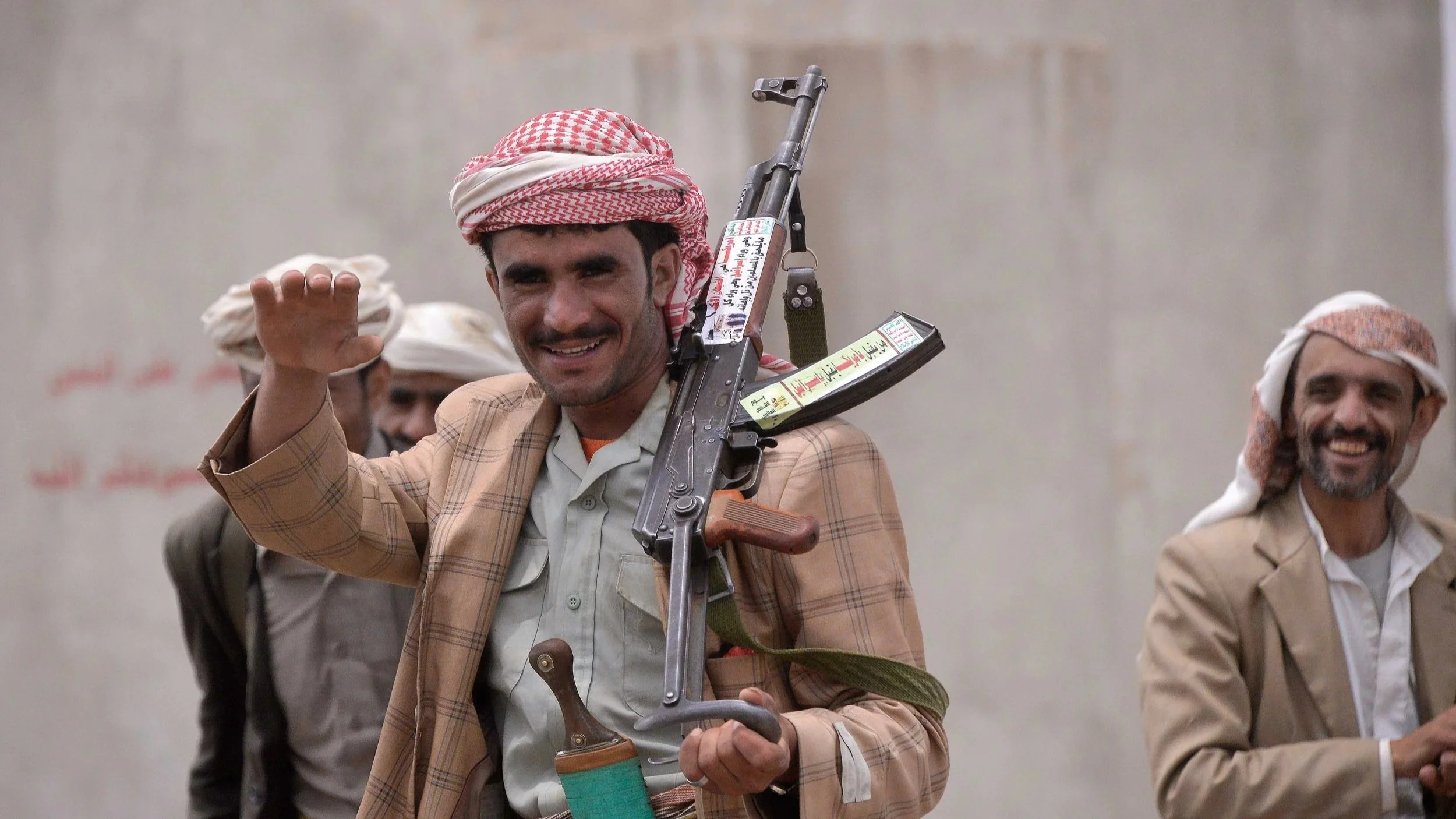
Undertaking Political Economy Analysis of the Paramilitary–Organised Crime Nexus
A practical tool to guide policymakers and practitioners in undertaking political economy analysis of the paramilitary-organised crime nexus. Read here…

Colombia Case Study: Political Negotiations with Paramilitary ‘Allies’
Negotiations with paramilitaries requires transparency, formal structures and accountability. DDR should be combined with strategies to dismantle political-criminal networks, extend governance and create economic alternatives. Read here…

N. Ireland Case Study: A ‘Public Health’ Approach to the Paramilitary-Organised Crime Nexus
Integrated, cross-department, community-based approaches can help reduce paramilitary harm and legitimacy but are unlikely to secure disbandment on their own. Read here…
Read publications from Jonathan Goodhand and Patrick Meehan from their overarching research project, Parastatal Armed Groups, Illicit Economies and Organised Crime.

Coercive Brokerage: The Paramilitary-Organized Crime Nexus in Borderlands and Frontiers
Explores the nexus between paramilitaries, illicit economies and organised crime, advancing a conceptual framework for analysing in borderland and frontier regions. Read here….
Coercive Brokerage: Paramilitaries, Illicit Economies and Organised Crime in the Frontiers of Afghanistan, Colombia
Examines the nexus between paramilitaries, illicit economies and organised crime through case studies of Afghanistan, Myanmar and Colombia borderlands. Read here…