
Undertaking Political Economy Analysis of the Paramilitary–Organised Crime Nexus: Guidance for Policymakers
June 2026
Briefing Note 48
Professor Jonathan Goodhand (SOAS, University of London)
Dr Patrick Meehan (University of Manchester)
SOC ACE Project: Para-statal armed groups, illicit economies and organised crime
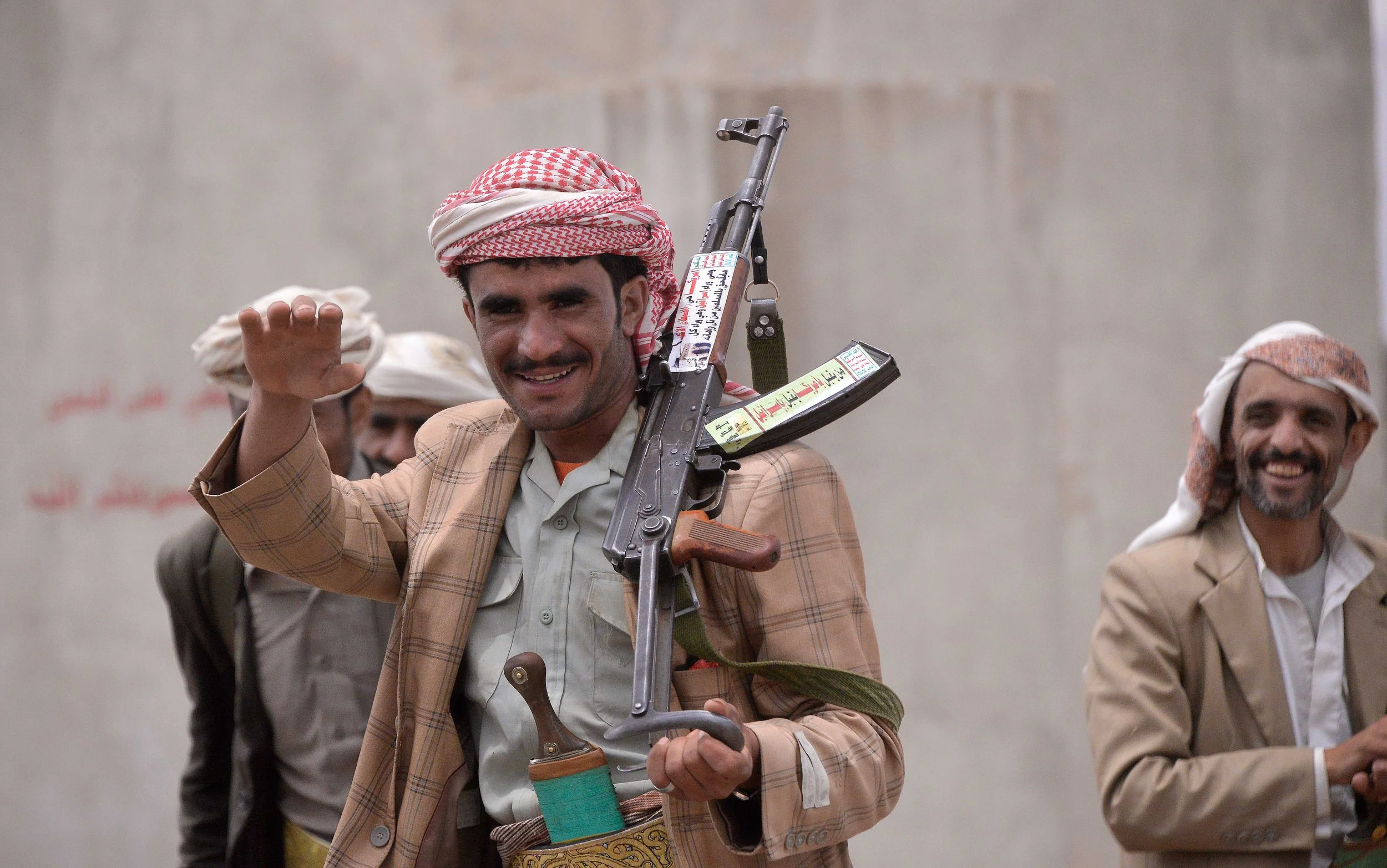
Photo credit: Rob Waddington
PUBLICATION SUMMARY
This briefing note forms part of a series of publications generated through the Policy Lab convened by Goodhand and Meehan, and supported by SOC ACE, to explore new approaches to addressing the paramilitary-organised crime nexus and how better to integrate responses.
Paramilitary violence and organised crime are a growing and often connected phenomenon in many countries affected by state fragility and post-war transitions. This is a significant policy challenge as some of the world’s poorest and most marginalised communities live in regions shaped by paramilitary rule, while the criminal activities that sustain these groups have complex diffusion and spillover effects, regionally and internationally. Yet there is a major gap in understanding of and responses to addressing the relationship between paramilitaries and organised crime in peacebuilding and post-war reconstruction efforts. Addressing this gap has become more urgent in a geopolitical context where proxy-state forces, illicit flows, and criminality have become increasingly significant instruments of statecraft.
A central conclusion of this wider body of research is that effective engagement with the paramilitary–organised crime nexus requires a shift away from technocratic or template-based interventions towards context-specific, politically informed strategies. This means recognising paramilitaries as durable political actors, understanding the sources of their ‘holding power’ within communities and political economies; prioritising harm reduction where dismantling the nexus is not immediately feasible; and remaining attentive to the distributional consequences of policy choices. While transformational change is rare and difficult, incremental and carefully sequenced interventions, grounded in realistic assessments of power, incentives and trade-offs, can help create the conditions for more sustainable peace and reduced violence over time. Undertaking political economy analysis of the paramilitary-organised crime nexus can support policymakers and practitioners make this shift.
This Briefing Note offers a diagnostic and planning tool to guide political economy analysis of the paramilitary-organised crime nexus. By working through the Note’s guiding questions and variables, policymakers and practitioners can map key features of paramilitary actors, identify the political and economic incentives sustaining their involvement in organised crime, and anticipate the likely consequences of different policy choices. It can guide discussions, stress-test assumptions and aid in the design of more realistic and sequenced interventions that prioritise harm reduction, manage trade-offs and avoid unintended escalation of violence and criminality.
RELATED PUBLICATIONS
Read the full series of publications from Jonathan Goodhand and Patrick Meehan’s Policy Lab on ‘Addressing the Paramilitary-Organised Crime Nexus in War-to-Peace Transitions’.
Paramilitaries and Organised Crime in War-to-Peace Transitions: Policy Challenges and
Responses
How have policymakers sought to address the paramilitary-organised crime nexus, what are the challenges and what are the lessons? Read here…

Paramilitary-Organised Crime Nexus: A framework for policymakers
A framework for assessing policy responses to the paramilitary-organised crime nexus from Goodhand and Meehan. Read here…
Paramilitary-Organised Crime Nexus: Implications for supporting peace processes
How does the paramilitary–organised crime nexus shape war‑to‑peace transitions, and what are the implications for peace process support? Read here…

Paramilitary-Organised Crime Nexus: Implications for DDR and SSR Programmes
DDR/SSR in paramilitary-affected contexts requires tailored strategies, improved intelligence & analysis, conditionality for participation, and government coordination. Read here…
Paramilitary-Organised Crime Nexus: Implications for Development Programming
What should development actors consider when programming to address paramilitary-organised crime nexus in war-to-peace transitions? Read here…
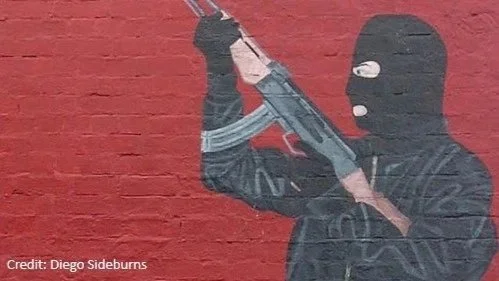
Paramilitary-Organised Crime Nexus: Implications for Addressing Organised Crime
How to address organised crime when paramilitary criminal activities are embedded in political, territorial and governance systems rather than being solely profit-driven? Read here…

Colombia Case Study: Political Negotiations with Paramilitary ‘Allies’
Negotiations with paramilitaries requires transparency, formal structures and accountability. DDR should be combined with strategies to dismantle political-criminal networks, extend governance and create economic alternatives. Read here…

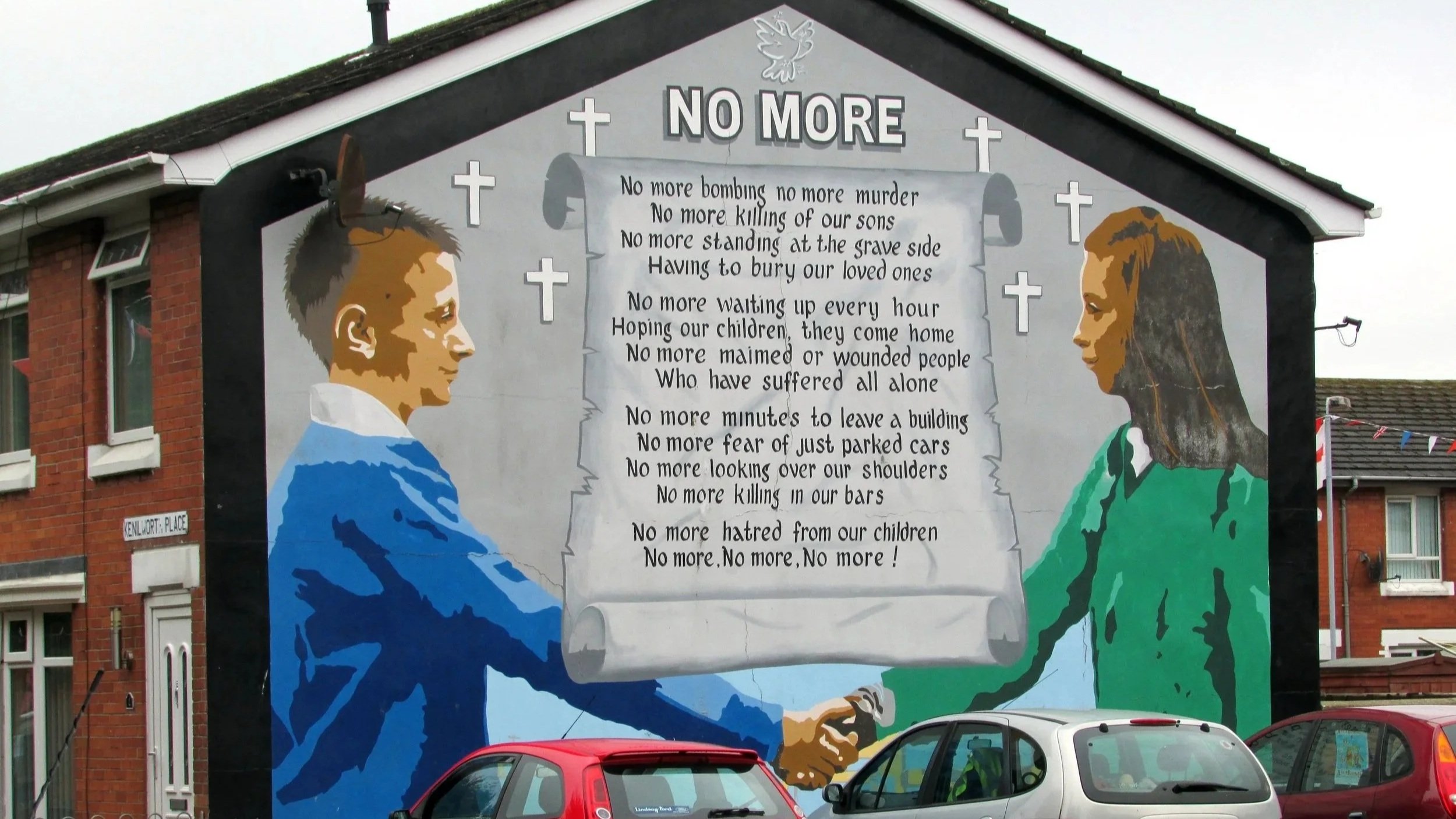
N. Ireland Case Study: A ‘Public Health’ Approach to the Paramilitary-Organised Crime Nexus
Integrated, cross-department, community-based approaches can help reduce paramilitary harm and legitimacy but are unlikely to secure disbandment on their own. Read here…
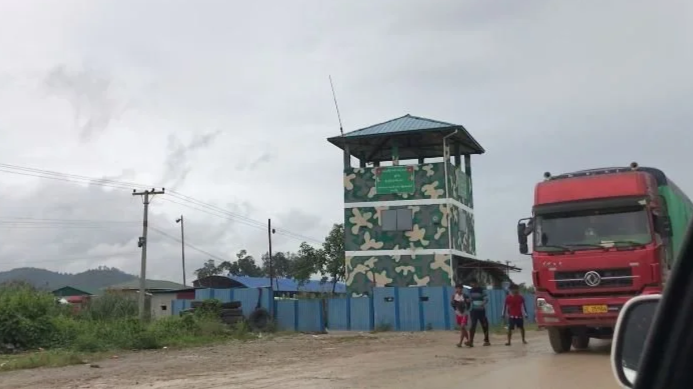
Myanmar Case Study: The Paramilitary-Organised Crime Nexus in Borderlands
Responses must recognise the structural role of militias, focus on financial and criminal networks, mitigate harms and engage seriously with the opportunities and limitations of working with regional powers. Read here…
Read publications from Jonathan Goodhand and Patrick Meehan from their overarching research project, Parastatal Armed Groups, Illicit Economies and Organised Crime.

Coercive Brokerage: The Paramilitary-Organized Crime Nexus in Borderlands and Frontiers
Explores the nexus between paramilitaries, illicit economies and organised crime, advancing a conceptual framework for analysing in borderland and frontier regions. Read here….
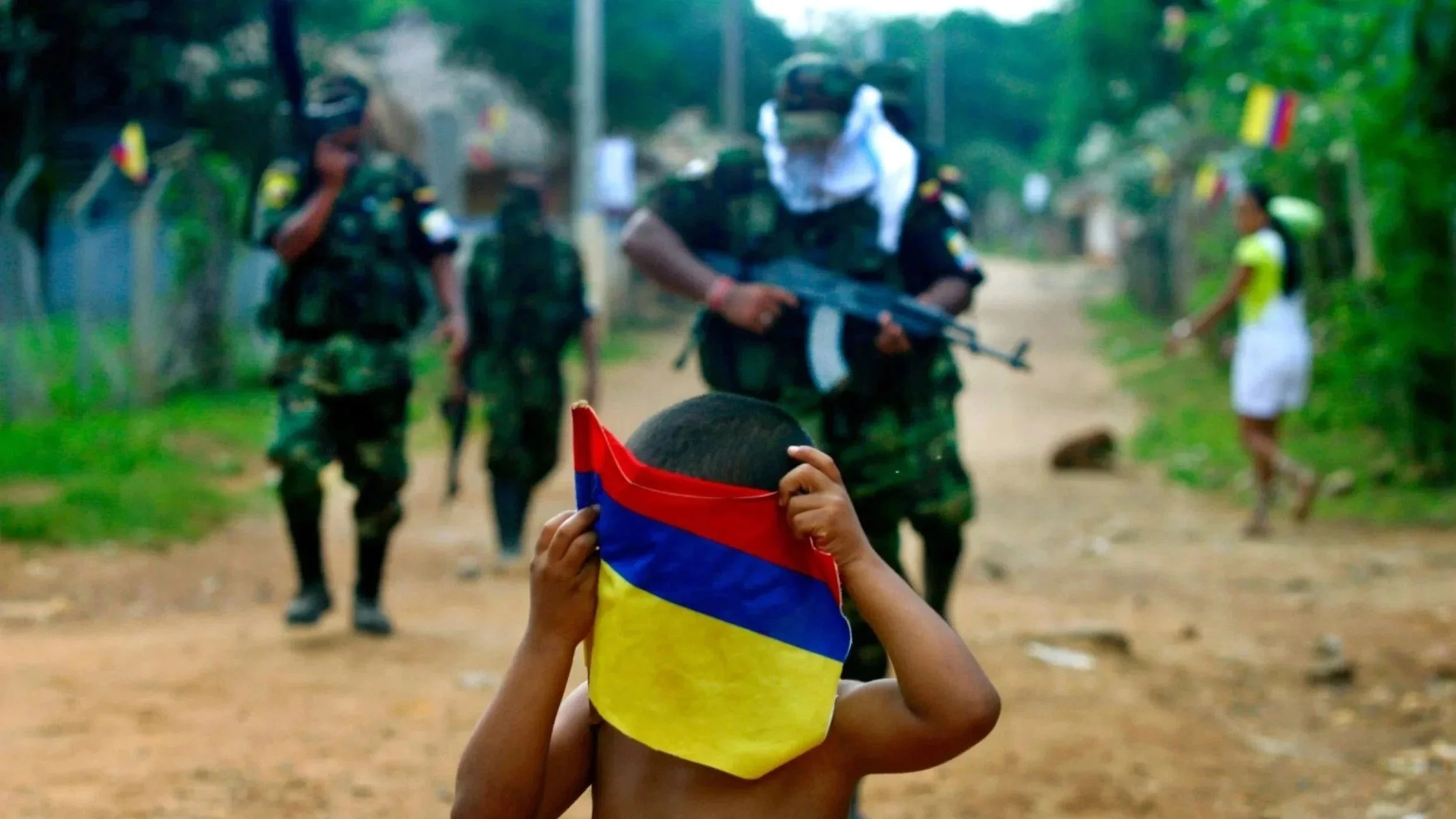
Coercive Brokerage: Paramilitaries, Illicit Economies and Organised Crime in the Frontiers of Afghanistan, Colombia
Examines the nexus between paramilitaries, illicit economies and organised crime through case studies of Afghanistan, Myanmar and Colombia borderlands. Read here…