

PUBLICATIONS
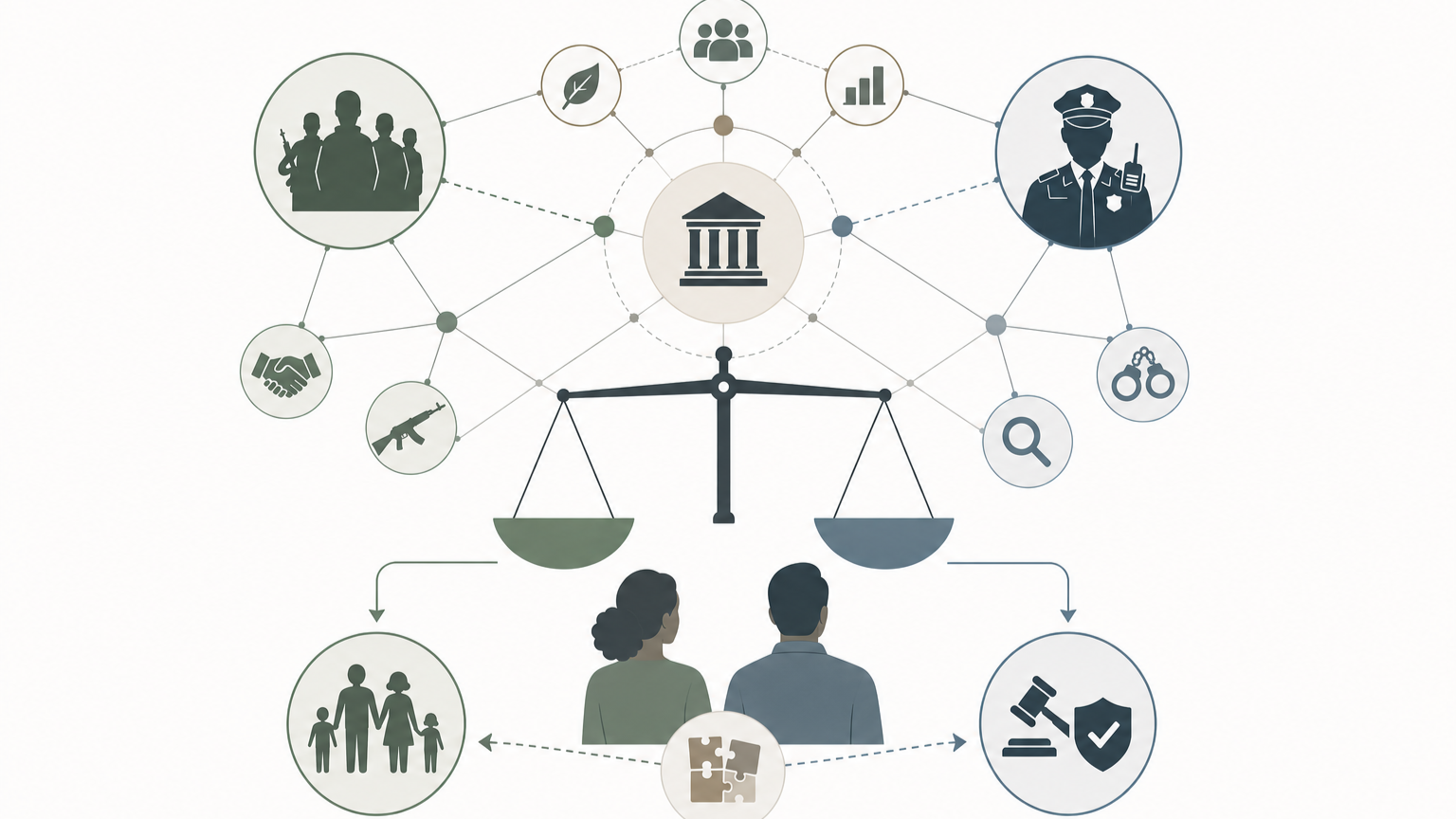
Paramilitaries and Organised Crime in War-to-Peace Transitions: Policy Challenges and Responses
This research paper examines how policymakers have addressed the relationship between paramilitary groups and organised crime in societies transitioning from war to peace. It argues that policymakers have responded through a spectrum of approaches and goes on to outline some of the major policy challenges and lessons associated with them, including political fragmentation, perverse incentives and policy siloes. It concludes with recommendations for mitigating these challenges.
Prof Jonathan Goodhand (SOAS)
Dr Kota Watanabe (NYU Wagner)
Dr Patrick Meehan (University of Manchester)
June 2026
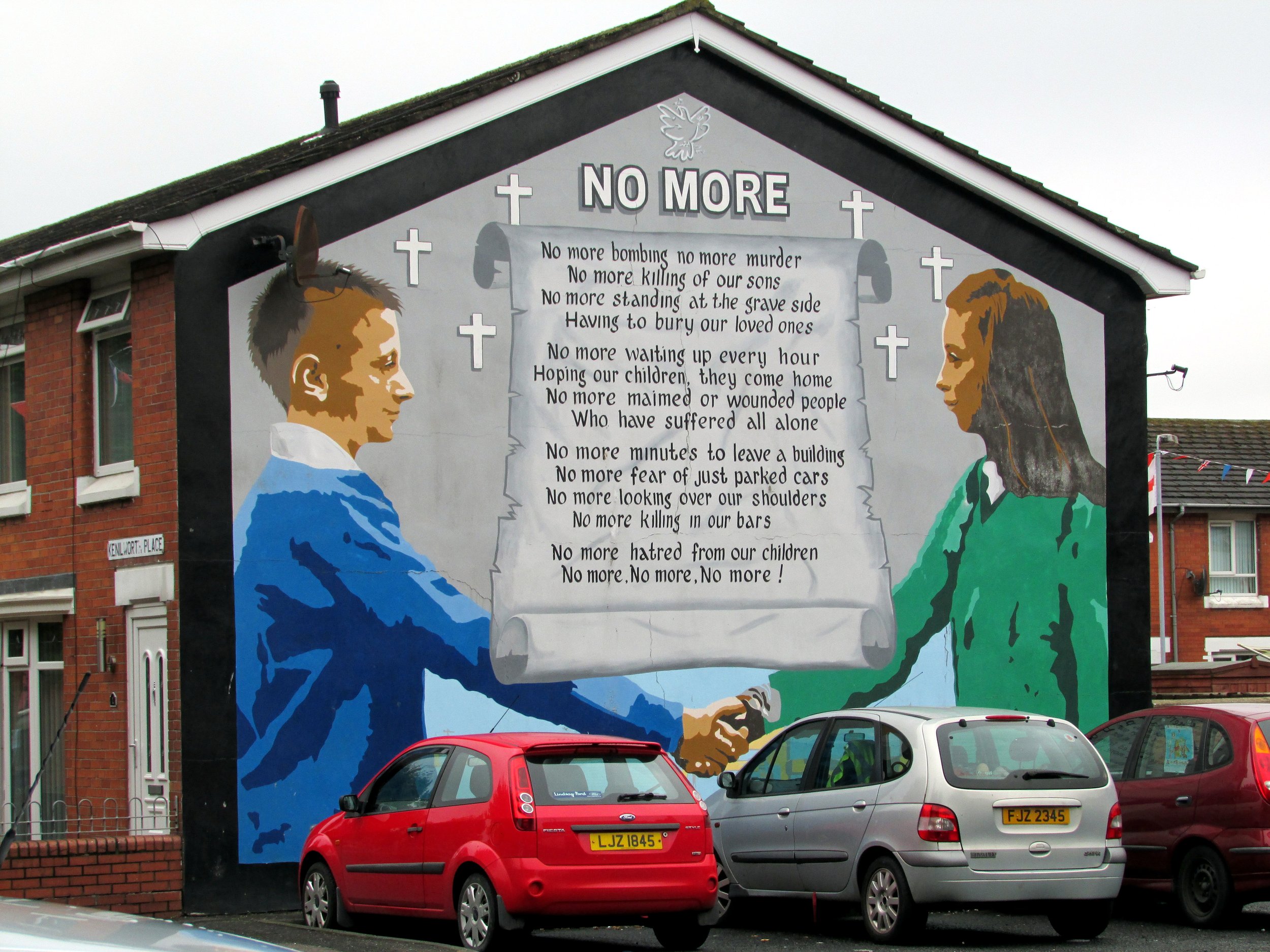
Addressing the Paramilitary–Organised Crime Nexus in War-to-Peace Transitions: Implications for Supporting Peace Processes
This Briefing Note examines how the paramilitary-organised crime nexus shapes war-to-peace transitions. It recognises that paramilitaries often retain significant autonomy, economic power, and transnational connections and that their exclusion or mismanagement in peace-processes can create veto players, entrench violence and undermine post-war governance. The researchers calls for policymakers to analyse the ‘holding power’ of paramilitaries, including their economic networks, local embeddedness and external backers, with their inclusion in negotiations conditional, realistic and enforceable, linked to disarmament, justice and development strategies, and calibrated to paramilitary structures and state capacity.
Prof Jonathan Goodhand (SOAS, University of London)
Dr Patrick Meehan (University of Manchester)
June 2026
Photo credit: Tom Bastin
Addressing the Paramilitary–Organised Crime Nexus in War-To-Peace Transitions: Implications for Disarmament, Demobilisation and Reintegration and Security Sector Reform Programmes
This Briefing Note examines policy implications of the paramilitary–organised crime nexus for disarmament, demobilisation and reintegration (DDR) and security sector reform (SSR) programmes in post-war transitions. Paramilitaries’ close ties to state institutions, political elites and illicit economies mean they are frequently shielded from accountability and excluded from disarmament processes designed for rebel groups. It show how different policy approaches shape DDR/SSR outcomes and demonstrates that paramilitarism should be treated as a governance challenge , requiring governance responses and approaches that reduce arm while gradually reshaping the security environment.
Prof Jonathan Goodhand (SOAS, University of London)
Dr Patrick Meehan (University of Manchester)
June 2026

Addressing the Paramilitary–Organised Crime Nexus in War-to-Peace Transitions: Implications for Development Programmes
Paramilitary–organised crime networks frequently persist after peace agreements, and disarmament, demobilisation and reintegration (DDR) and security sector reform (SSR) processes, requiring development actors to adopt long-term, conflict‑sensitive approaches rather than assuming that stabilisation efforts alone will weaken these systems.
This Briefing Note draws out five implications, that development programming must be, 1) conflict-sensitive and attentive to distributional impacts, 2) invest in harm reduction and community level violence-mitigation, 3) create systemic pathways out of paramilitarism, 4) integrate marginalised regions and communities, and 5) tackle the gendered structures of criminalised local orders.
Prof Jonathan Goodhand (SOAS, University of London)
Dr Patrick Meehan (University of Manchester)
June 2026
Addressing the Paramilitary–Organised Crime Nexus in War-to-Peace Transitions: Implications for Addressing Organised Crime
Paramilitary actors engaged in organised crime pose distinctive challenges in war‑to‑peace transitions as their activities are deeply embedded in political, territorial and governance systems rather than being driven solely by profit. Their coercive power, links to elites and access to state protection allow them to consolidate control over illicit markets, reinforcing their political influence and undermining long‑term peacebuilding and state legitimacy. This Note demonstrates that response strategies should integrate organised crime analysis in to conflict and governance assessments, treat paramilitary criminality as a political problem, account for state complicity, patronage and incentives, and go beyond national borders.
Prof Jonathan Goodhand (SOAS, University of London)
Dr Patrick Meehan (University of Manchester)
June 2026
Photo credit: Diego Sideburns
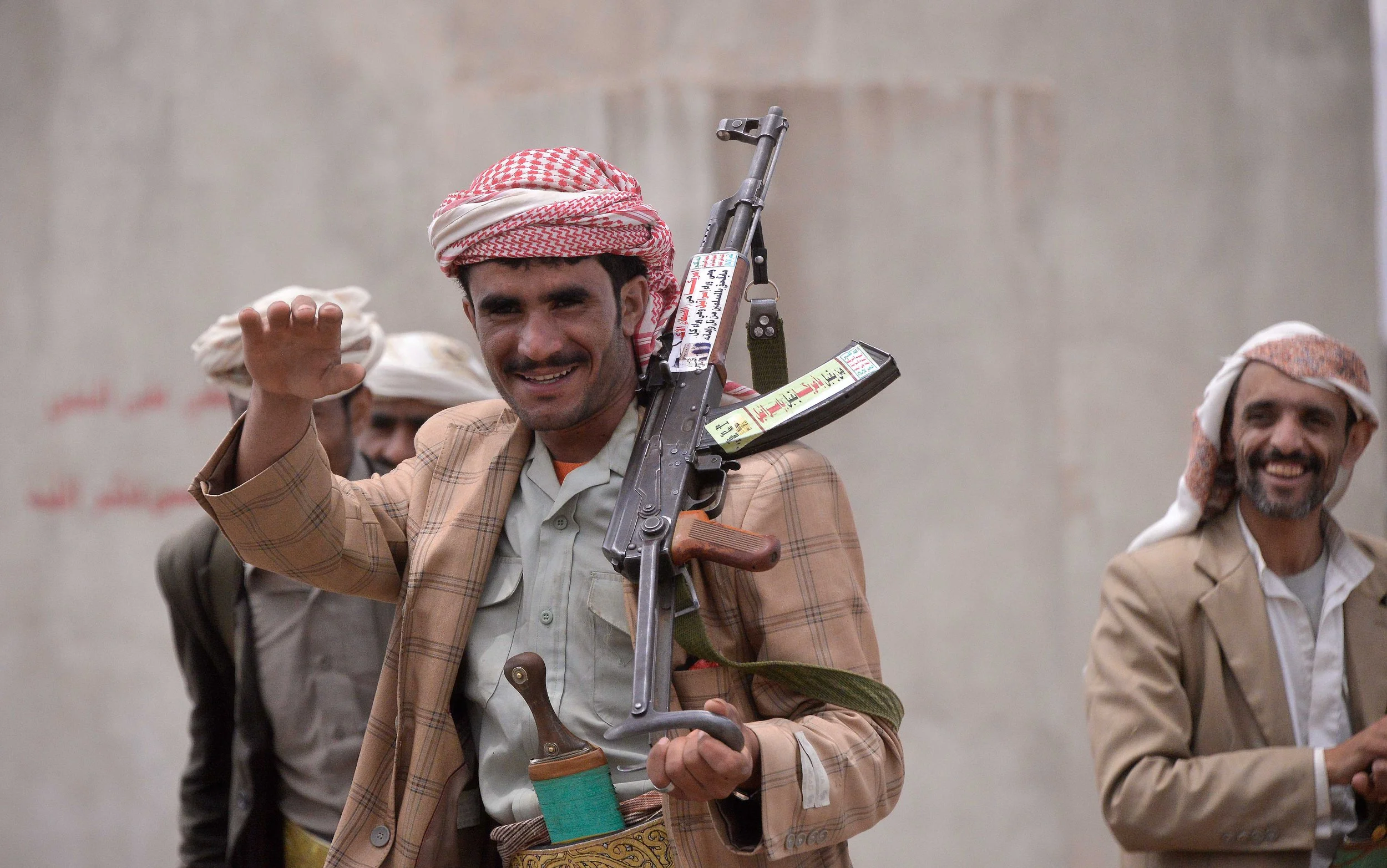
Undertaking Political Economy Analysis of the Paramilitary–Organised Crime Nexus: Guidance for Policymakers
Paramilitary violence and organised crime are a growing and often connected phenomenon in many countries affected by state fragility and post-war transitions. Yet there is a major gap in understanding of and responses to addressing this relationship in peacebuilding and post-war efforts. This Briefing Note offers a diagnostic and planning tool that can be used to map key features of paramilitary actors, identify key the political and economic incentives sustaining their involvement in organised crime, and anticipate the likely consequences of different policy choices. This framework, designed to be flexible and adaptive across contexts, can help policymakers and practitioners to move beyond template responses towards strategies grounded in local power dynamics and political realities.
Prof Jonathan Goodhand (SOAS University of London)
Dr Patrick Meehan (University of Manchester)
June 2026
Photo credit: Rob Waddington

Coercive Brokerage: Paramilitaries, Illicit Economies and Organised Crime in the Frontiers of Afghanistan, Colombia and Myanmar - Working Paper II
This paper is the second of a three-part series exploring the nexus between paramilitaries, illicit economies and organised crime. This research paper examines the nexus between paramilitaries, illicit economies and organised crime in frontier regions, through detailed case study analysis of these phenomena in the borderlands of Afghanistan, Myanmar and Colombia.
Prof Jonathan Goodhand, Dr Patrick Meehan, Camilo Acero & Jan Koehler
January 2024