
Paramilitaries and Organised Crime in War-to-Peace Transitions: Policy Challenges and Responses
June 2026
Research Paper 42
Professor Jonathan Goodhand (SOAS, University of London)
Dr Kota Watanabe (NYU Wagner)
Dr Patrick Meehan (University of Manchester)
SOC ACE Project: Para-statal armed groups, illicit economies and organised crime

PUBLICATION SUMMARY
This research paper forms part of a series of publications generated through the Policy Lab convened by Goodhand and Meehan, and supported by SOC ACE, to explore new approaches to addressing the paramilitary-organised crime nexus and how better to integrate responses.
This research paper explores policy approaches and responses to paramilitaries and organised crime in war-to-peace transitions, focusing on the period spanning the 1990s to the 2020s. Paramilitaries have historically been part of systems of rule in contested spaces and frontier zones; this paper focuses on the dynamics of their growing influence in the twenty-first century and how international and national policymakers have responded to this phenomenon. Paramilitaries are not confined to areas of so-called ‘state failure’, nor are they a transient phase on the path to state consolidation and the monopolisation of violence. Instead, they represent a departure from historical processes of consolidating violence under centralising nation-states, revealing important insights into the changing global order in which the fragmentation of violence has become the norm in many parts of the world. Despite the growing salience of this phenomenon, there is a significant lacuna in comparative analysis, especially in understanding policy responses to the paramilitary–organised crime nexus.
To address this knowledge gap, the paper addresses the following questions: Q1: How have policymakers sought to address the paramilitary–organised crime nexus in war-to-peace transitions and what have been their impacts on the nexus? Q2: What are the main policy challenges and lessons associated with addressing the paramilitary–organised crime nexus?
The paper explores different policy responses to paramilitary groups and their involvement in organised crime in war-to-peace transitions. Addressing the first research question, the paper argues that policymakers have responded to the paramilitary–organised crime nexus through a spectrum of approaches, namely, avoidance; cooption and incorporation; criminalisation and law enforcement; and transformation of the conditions that drive the nexus. The paper then outlines some of the major policy challenges and lessons associated with addressing the paramilitary–organised crime nexus. In response to the second research question, it is argued that while the three dominant approaches – avoidance; co-option and incorporation; and criminalisation and law enforcement – cannot address the root causes of the nexus, the most ambitious approach, of transforming the underlying conditions, faces many challenges. These include political fragmentation and elite incentives oriented towards maintaining a state of ‘unsettlement’, and a siloed policy environment where no single actor takes primary responsibility for addressing the nexus. To some extent, these challenges can be mitigated – but never entirely resolved – through a stronger understanding of and willingness to engage with the nexus, and a strategy for navigating institutional obstacles and siloed thinking within the policymaking arena.
RELATED PUBLICATIONS
Read the full series of publications from Jonathan Goodhand and Patrick Meehan’s Policy Lab on ‘Addressing the Paramilitary-Organised Crime Nexus in War-to-Peace Transitions’.

Paramilitary-Organised Crime Nexus: A framework for policymakers
A framework for assessing policy responses to the paramilitary-organised crime nexus from Goodhand and Meehan. Read here…

Paramilitary-Organised Crime Nexus: Implications for supporting peace processes
How does the paramilitary–organised crime nexus shape war‑to‑peace transitions, and what are the implications for peace process support? Read here…

Paramilitary-Organised Crime Nexus: Implications for DDR and SSR Programmes
DDR/SSR in paramilitary-affected contexts requires tailored strategies, improved intelligence & analysis, conditionality for participation, and government coordination. Read here…

Paramilitary-Organised Crime Nexus: Implications for Development Programming
What should development actors consider when programming to address paramilitary-organised crime nexus in war-to-peace transitions? Read here…
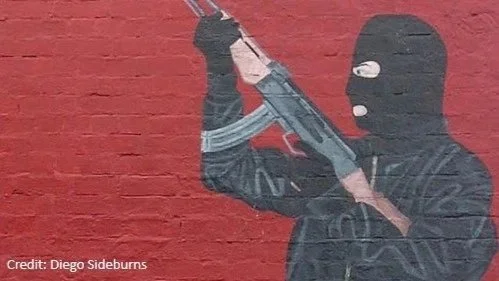
Paramilitary-Organised Crime Nexus: Implications for Addressing Organised Crime
How to address organised crime when paramilitary criminal activities are embedded in political, territorial and governance systems rather than being solely profit-driven? Read here…
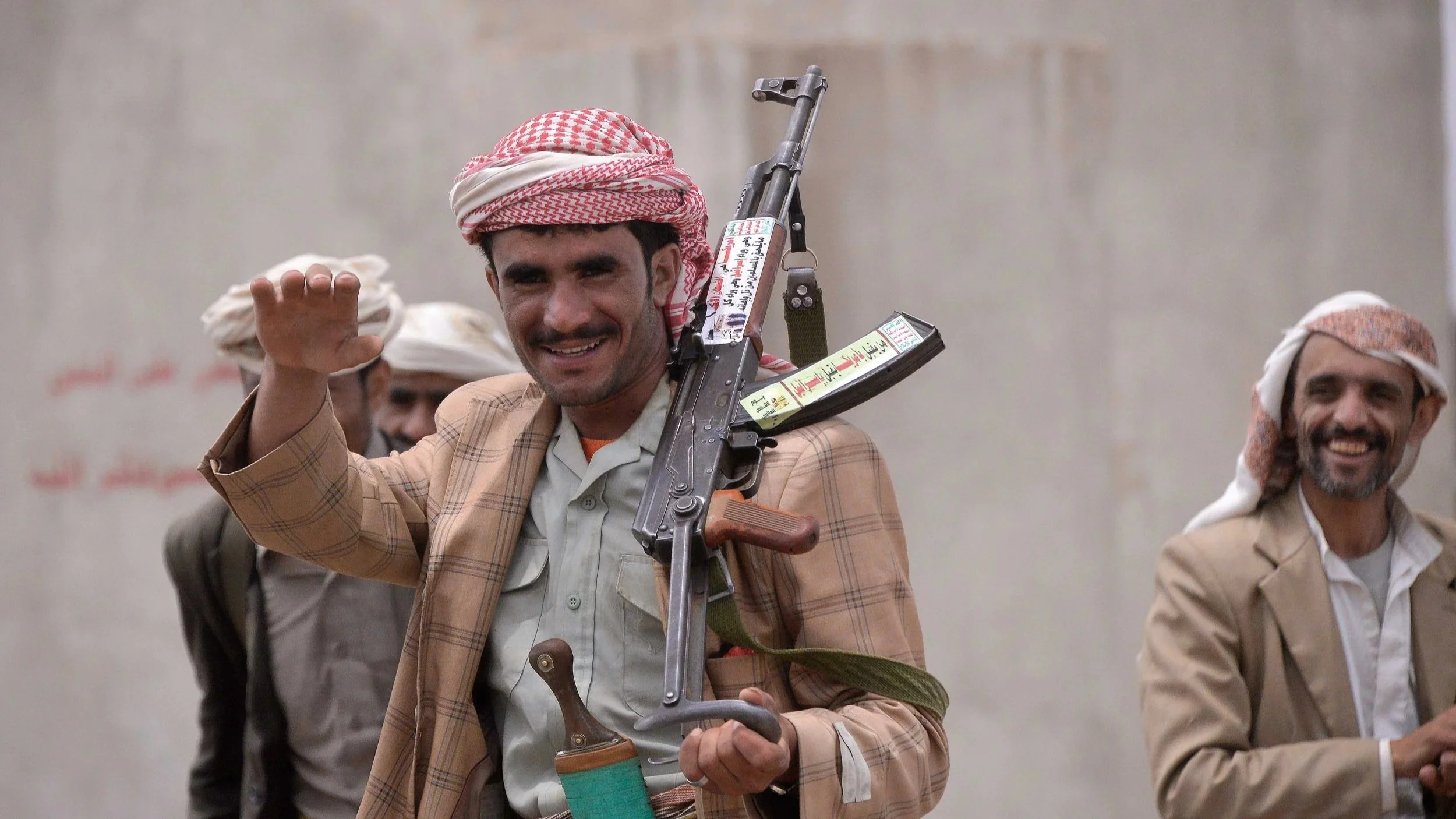
Undertaking Political Economy Analysis of the Paramilitary–Organised Crime Nexus
A practical tool to guide policymakers and practitioners in undertaking political economy analysis of the paramilitary-organised crime nexus. Read here…

Colombia Case Study: Political Negotiations with Paramilitary ‘Allies’
Negotiations with paramilitaries requires transparency, formal structures and accountability. DDR should be combined with strategies to dismantle political-criminal networks, extend governance and create economic alternatives. Read here…

N. Ireland Case Study: A ‘Public Health’ Approach to the Paramilitary-Organised Crime Nexus
Integrated, cross-department, community-based approaches can help reduce paramilitary harm and legitimacy but are unlikely to secure disbandment on their own. Read here…
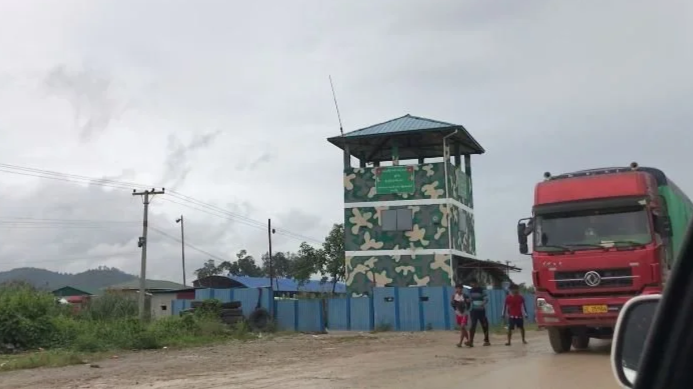
Myanmar Case Study: The Paramilitary-Organised Crime Nexus in Borderlands
Responses must recognise the structural role of militias, focus on financial and criminal networks, mitigate harms and engage seriously with the opportunities and limitations of working with regional powers. Read here…
Read publications from Jonathan Goodhand and Patrick Meehan from their overarching research project, Parastatal Armed Groups, Illicit Economies and Organised Crime.

Coercive Brokerage: The Paramilitary-Organised Crime Nexus in Borderlands and Frontiers
Explores the nexus between paramilitaries, illicit economies and organised crime, advancing a conceptual framework for analysing in borderland and frontier regions. Read here….
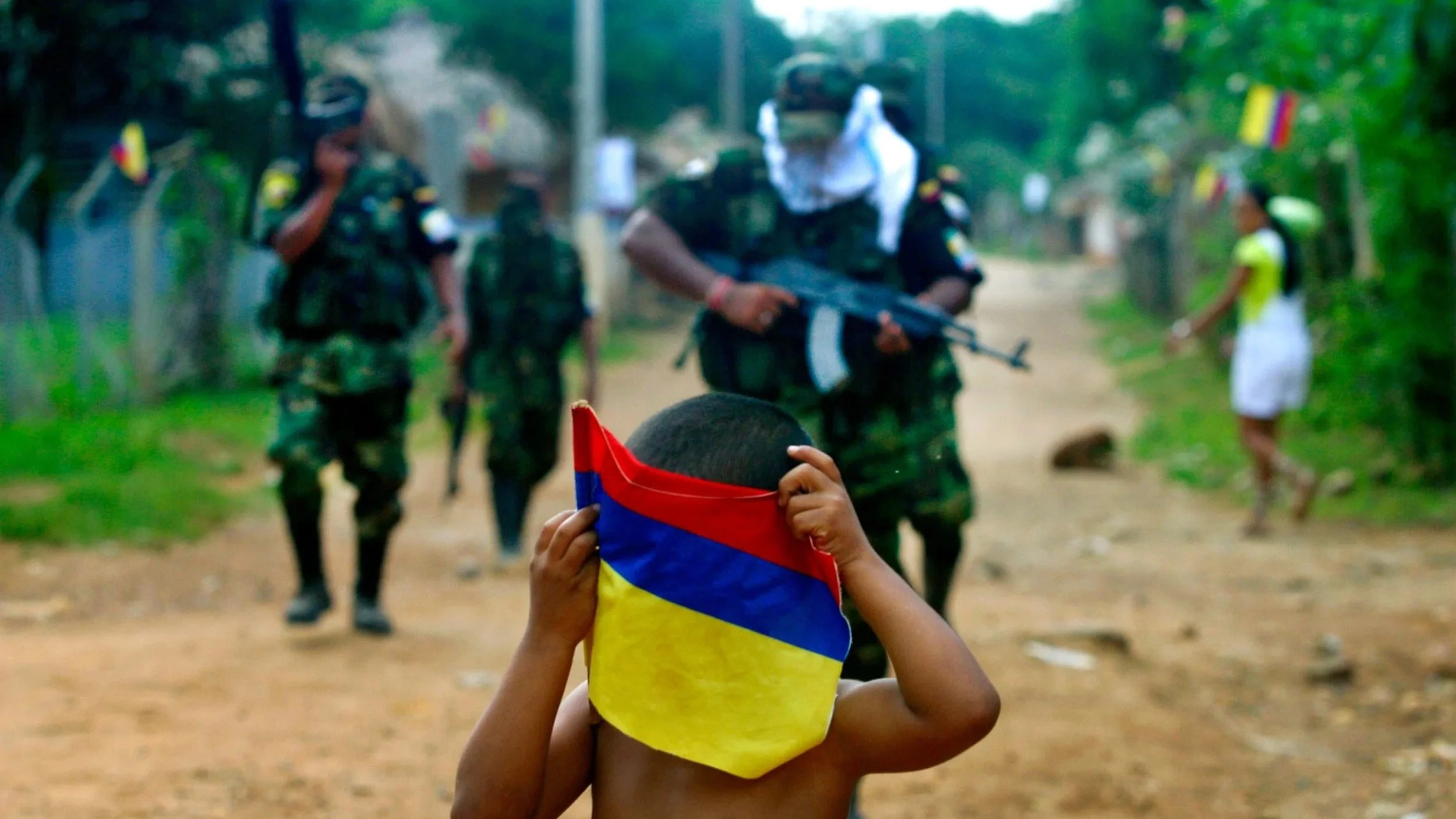
Coercive Brokerage: Paramilitaries, Illicit Economies and Organised Crime in the Frontiers of Afghanistan, Colombia
Examines the nexus between paramilitaries, illicit economies and organised crime through case studies of Afghanistan, Myanmar and Colombia borderlands. Read here…