Addressing the Paramilitary–Organised Crime Nexus in War-to-Peace Transitions: Implications for Supporting Peace Processes
June 2026
Briefing Note 44
Professor Jonathan Goodhand (SOAS, University of London)
Dr Patrick Meehan (University of Manchester)
SOC ACE Project: Para-statal armed groups, illicit economies and organised crime
PUBLICATION SUMMARY
This briefing note forms part of a series of publications generated through the Policy Lab convened by Goodhand and Meehan, and supported by SOC ACE, to explore new approaches to addressing the paramilitary-organised crime nexus and how better to integrate responses.
This Briefing Note examines how the paramilitary–organised crime nexus shapes war‑to‑peace transitions and the implications for peace process support. Paramilitaries often retain significant autonomy, economic power, and transnational connections, yet they receive less attention than insurgent groups in peace negotiations. Assuming they are fully aligned with state interests can be destabilising: their exclusion or mismanagement can create veto players, entrench violence and undermine post‑war governance.
Domestic and international actors tend to adopt four approaches – avoidance, co‑option/incorporation, criminalisation and transformation – often in combination. Each strategy carries trade‑offs for stability, legitimacy and long‑term reform. Effective engagement requires managing these trade‑offs strategically, recognising that peace emerges through iterative bargains rather than a single agreement. Policymakers must analyse paramilitaries’ ‘holding power’ – how long an organisation can hold out in conflict against the state or other actors in pursuit of its interests – including their economic networks, local embeddedness and external backers. Inclusion should be conditional, realistic and enforceable, linked to disarmament, justice and development strategies, and calibrated to paramilitary organisational structures and state capacity.
This Briefing Note calls for multi‑level and multi‑track approaches that integrate local, national and regional dynamics, recognising the pivotal roles of borderlands, intermediaries and international sponsors. Without coordinated diplomatic, legal, economic and security instruments, paramilitary power networks risk becoming entrenched in post‑war orders, undermining both peace and development outcomes.
RELATED PUBLICATIONS
Read the full series of publications from Jonathan Goodhand and Patrick Meehan’s Policy Lab on ‘Addressing the Paramilitary-Organised Crime Nexus in War-to-Peace Transitions’.
Paramilitaries and Organised Crime in War-to-Peace Transitions: Policy Challenges and
Responses
How have policymakers sought to address the paramilitary-organised crime nexus, what are the challenges and what are the lessons? Read here…

Paramilitary-Organised Crime Nexus: A framework for policymakers
A framework for assessing policy responses to the paramilitary-organised crime nexus from Goodhand and Meehan. Read here…

Paramilitary-Organised Crime Nexus: Implications for DDR and SSR Programmes
DDR/SSR in paramilitary-affected contexts requires tailored strategies, improved intelligence & analysis, conditionality for participation, and government coordination. Read here…

Paramilitary-Organised Crime Nexus: Implications for Development Programming
What should development actors consider when programming to address paramilitary-organised crime nexus in war-to-peace transitions? Read here…
Paramilitary-Organised Crime Nexus: Implications for Addressing Organised Crime
How to address organised crime when paramilitary criminal activities are embedded in political, territorial and governance systems rather than being solely profit-driven? Read here…
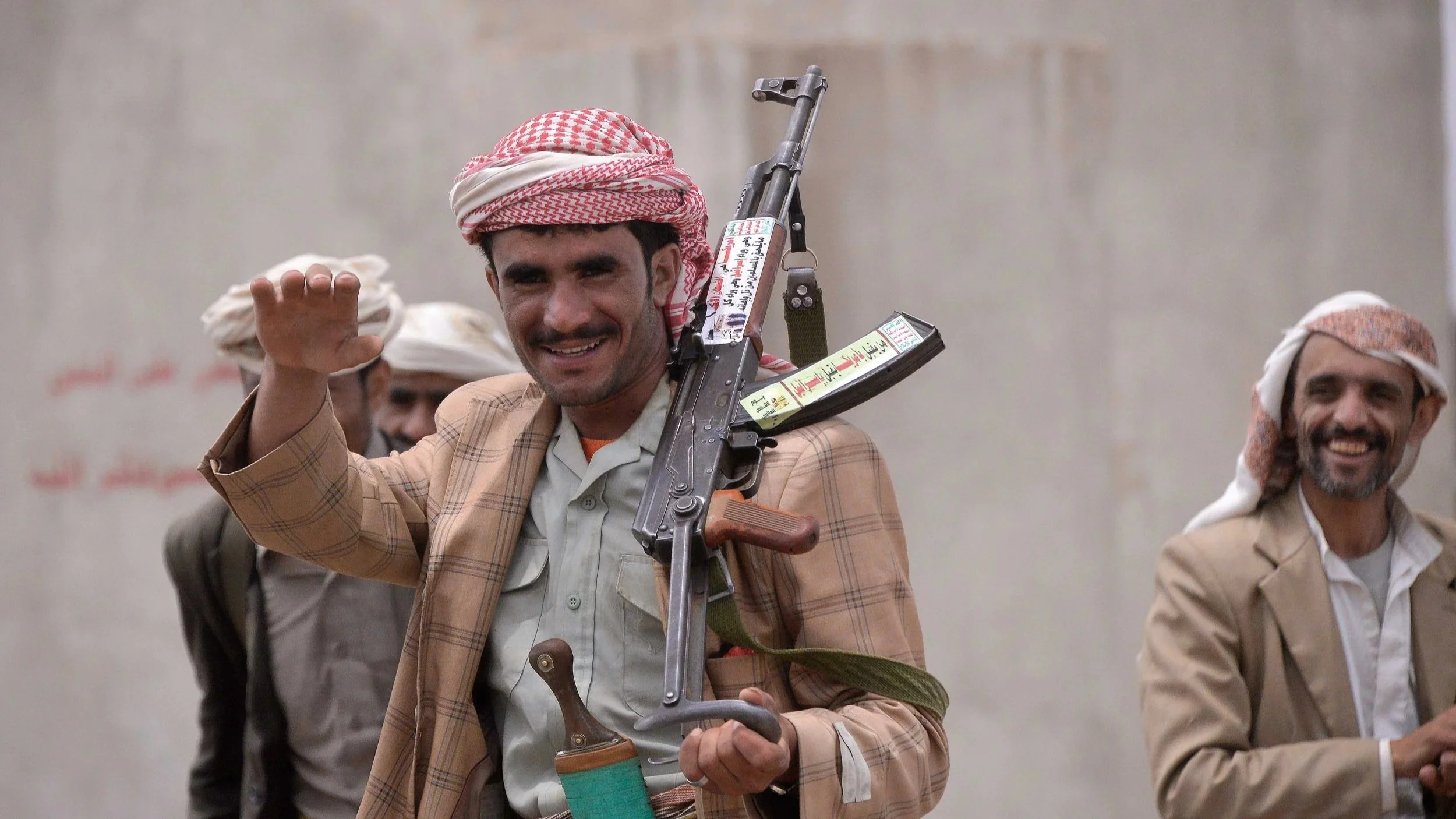
Undertaking Political Economy Analysis of the Paramilitary–Organised Crime Nexus
A practical tool to guide policymakers and practitioners in undertaking political economy analysis of the paramilitary-organised crime nexus. Read here…

Colombia Case Study: Political Negotiations with Paramilitary ‘Allies’
Negotiations with paramilitaries requires transparency, formal structures and accountability. DDR should be combined with strategies to dismantle political-criminal networks, extend governance and create economic alternatives. Read here…

N. Ireland Case Study: A ‘Public Health’ Approach to the Paramilitary-Organised Crime Nexus
Integrated, cross-department, community-based approaches can help reduce paramilitary harm and legitimacy but are unlikely to secure disbandment on their own. Read here…
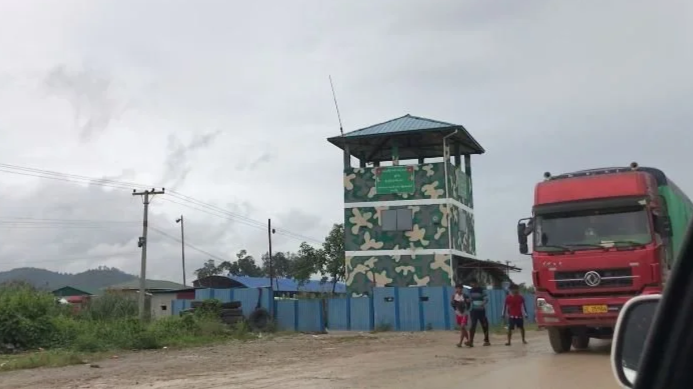
Myanmar Case Study: The Paramilitary-Organised Crime Nexus in Borderlands
Responses must recognise the structural role of militias, focus on financial and criminal networks, mitigate harms and engage seriously with the opportunities and limitations of working with regional powers. Read here…
Read publications from Jonathan Goodhand and Patrick Meehan from their overarching research project, Parastatal Armed Groups, Illicit Economies and Organised Crime.

Coercive Brokerage: The Paramilitary-Organized Crime Nexus in Borderlands and Frontiers
Explores the nexus between paramilitaries, illicit economies and organised crime, advancing a conceptual framework for analysing in borderland and frontier regions. Read here….
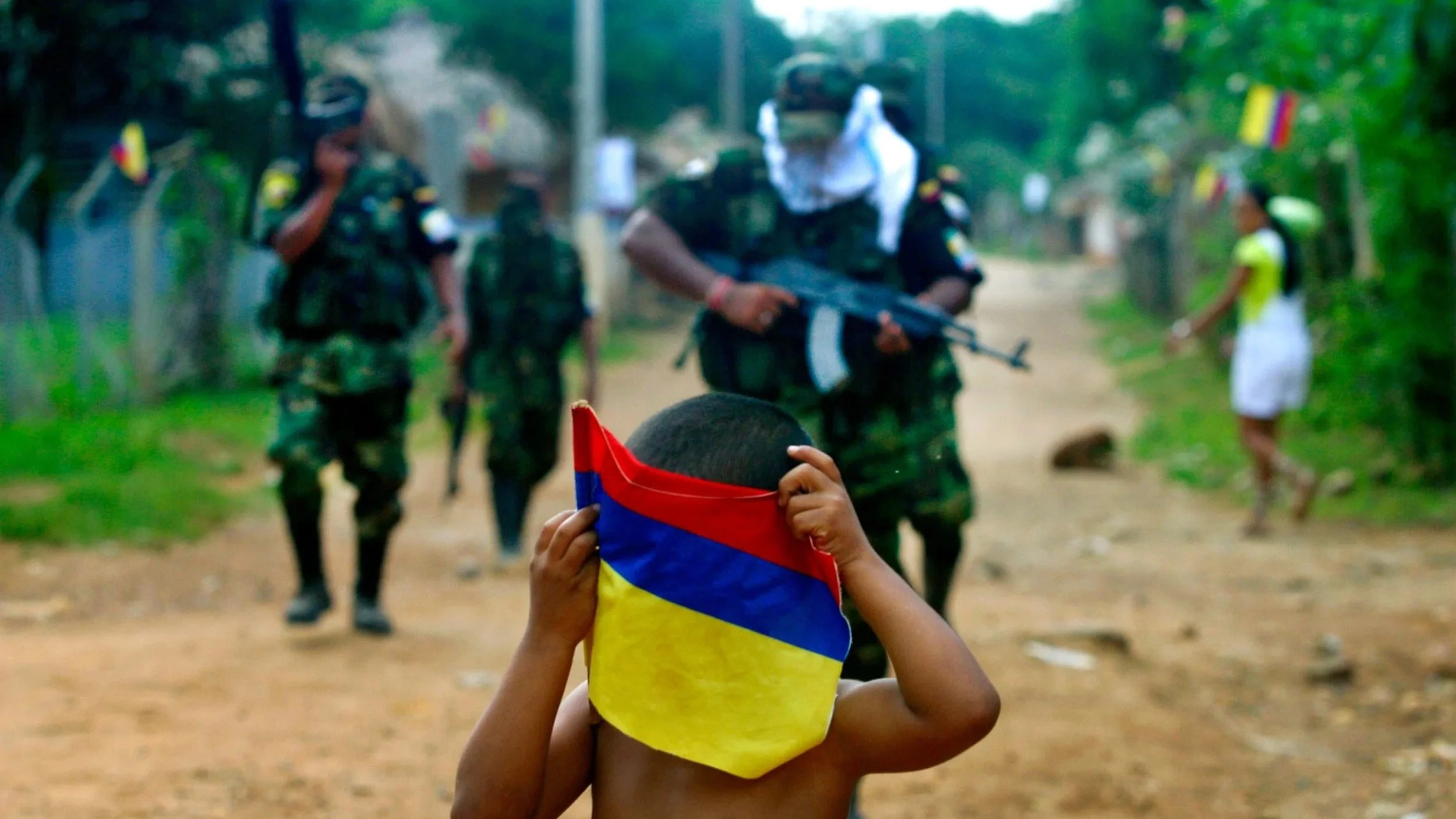
Coercive Brokerage: Paramilitaries, Illicit Economies and Organised Crime in the Frontiers of Afghanistan, Colombia
Examines the nexus between paramilitaries, illicit economies and organised crime through case studies of Afghanistan, Myanmar and Colombia borderlands. Read here…