Russian War-Related Illicit Trade in the Black Sea: International Networks and Policy Options
July 2026
Research Paper 45
Briefing Note 55
Olivia Allison (University of Exeter)
Joshua Coyle (Independent)
SOC ACE Project: Illicit finance and Russian foreign policy: new dynamics and linkages
PUBLICATION SUMMARY
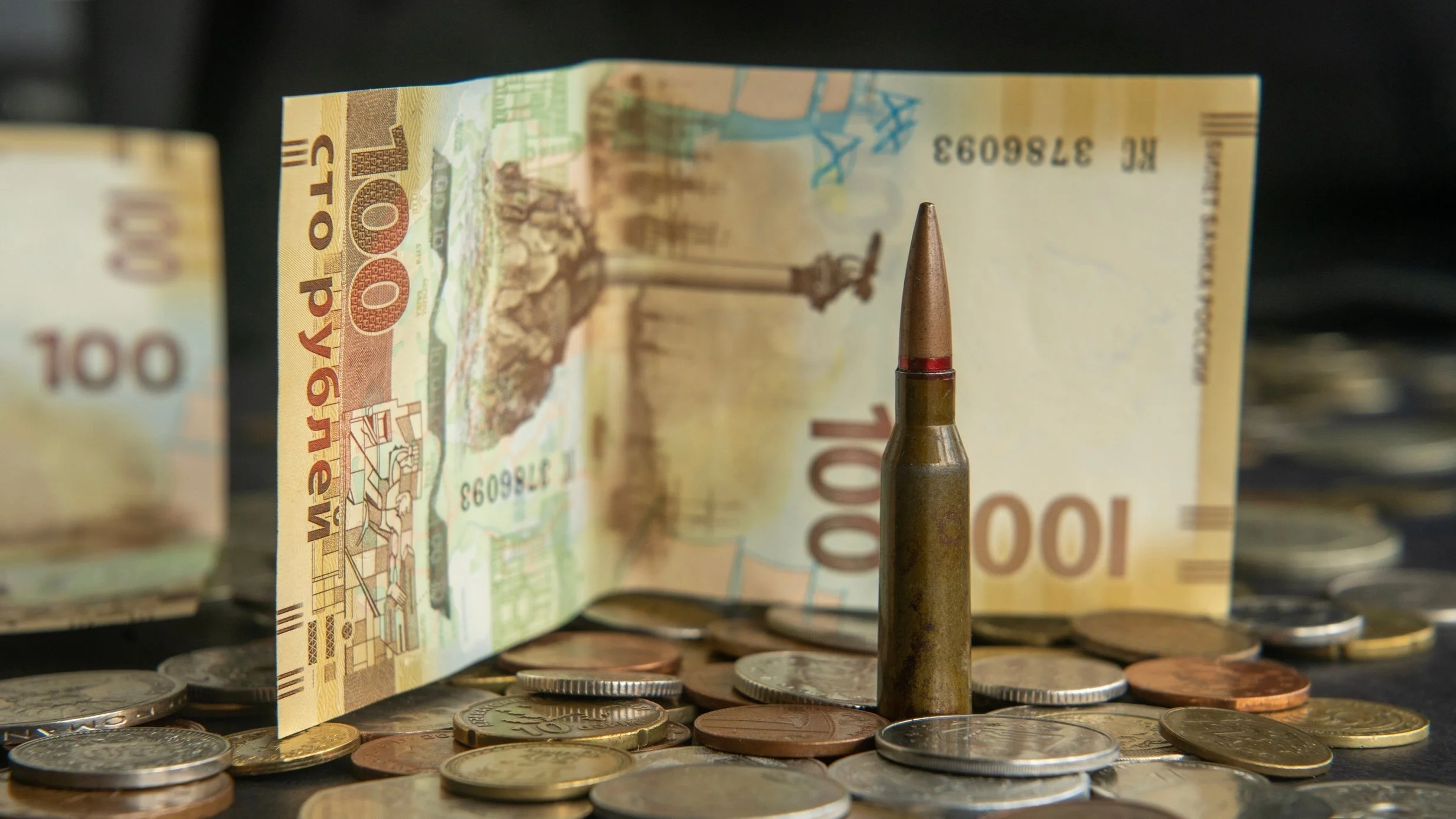
This research paper and accompanying briefing note examine the scale and strategic significance of Russian war-related illicit trade operating across the Black Sea, as well as its connections to European commercial and financial networks. It explores how these illicit supply chains sustain Russia's military capabilities, generate revenues from occupied Ukrainian territories and undermine the effectiveness of international sanctions.
The paper argues that this trade is not simply a consequence of the war but an integral component of Russia's broader hybrid strategy. Drawing on maritime, satellite and trade data, it identifies networks involved in the supply of sanctioned goods to Russia's military-industrial complex, the export of commodities pillaged from occupied Ukraine and the transport of Russian oil above the G7 price cap. It demonstrates how these activities are enabled by ostensibly private companies, many of which maintain commercial, financial or professional links with the UK and Europe, exposing vulnerabilities within international business and sanctions enforcement.
The research examines the corporate structures, logistics networks and financial relationships that facilitate this trade, illustrating how sanctions are circumvented despite existing restrictions. It highlights the role of shipping companies, logistics providers, corporate service firms and financial institutions, and shows how publicly available maritime and commercial data can be used to identify high-risk actors and supply chains.
The paper concludes by outlining policy options to strengthen the effectiveness of sanctions and disrupt illicit trade networks. These include expanding sanctions to target ports, logistics operators, vessels and beneficial owners, increasing enforcement against trade involving occupied territories, improving coordination between UK, EU and US authorities and enhancing due diligence across the maritime, logistics, financial and professional services sectors. Together, these recommendations aim to reduce the commercial opportunities that continue to finance Russia's war, strengthen sanctions enforcement and improve resilience against geoeconomic and hybrid threats.
RELATED PUBLICATIONS
Economic Crime and Illicit Finance in Russia’s Occupation Regime in Ukraine
Professor David Lewis
Looting Mariupol: Russia’s use of illicit finance and economic crime in occupied Ukraine
Olivia Allison, Professor David Lewis
Illicit finance and Russian foreign policy: new dynamics and linkages
Professor David Lewis, Dr Tena Prelec, Olivia Allison
