
PROJECTS
Here, you will find a one-stop-shop for each SOC ACE research project including publications, information about events and external engagement, media and contact details for researchers.
Port Politics: A service characteristics approach to countering organised crime
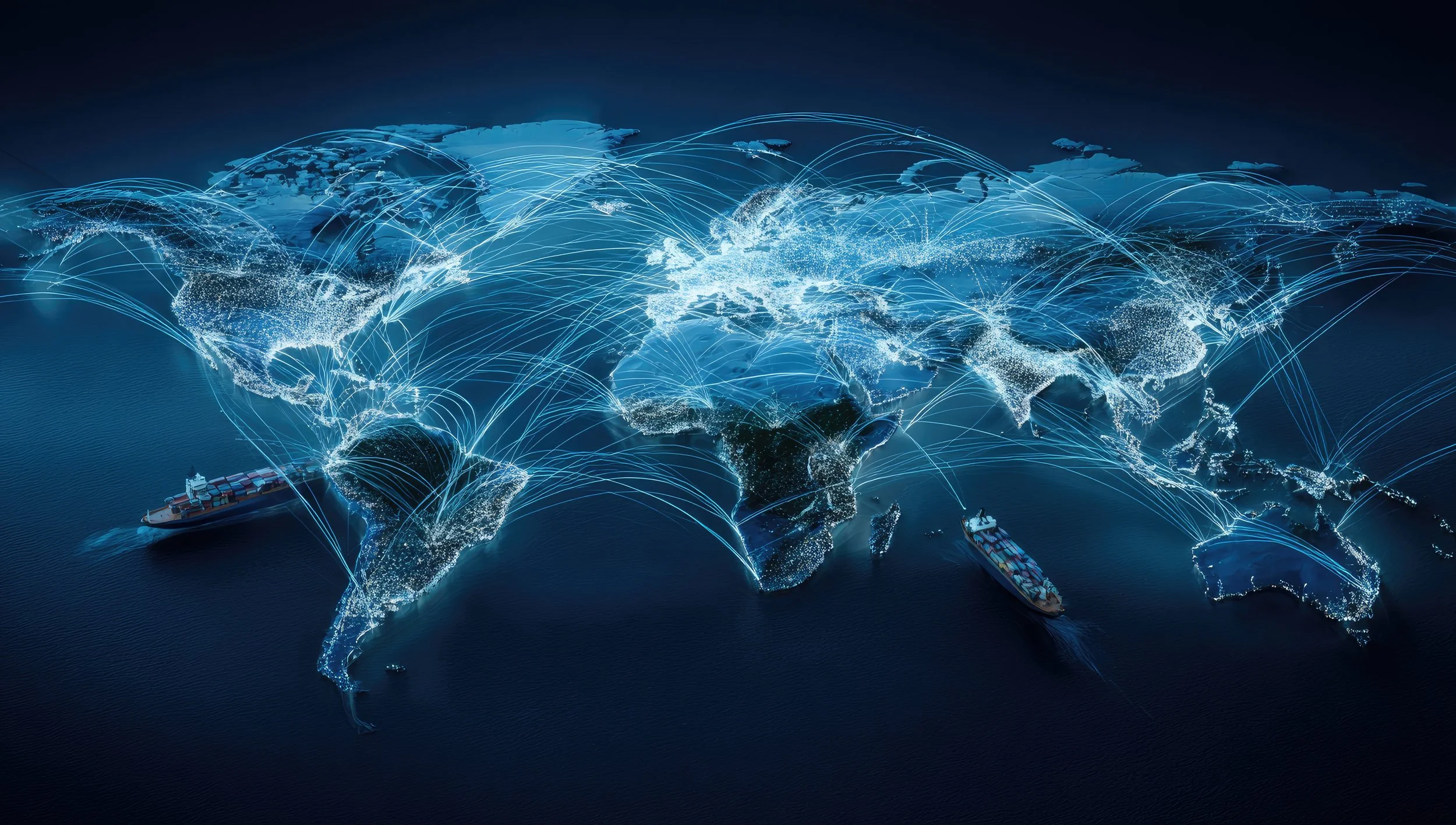
Seaports are among the most significant nodes in transnational criminal supply chains globally. The infrastructure and technical operations involved dictate the ease with which organised crime groups can exploit them. The political dynamics surrounding the sector and facilities are of key relevance to the ease of criminal penetration.
The centrality of the margins: Borderlands, illicit economies and uneven development
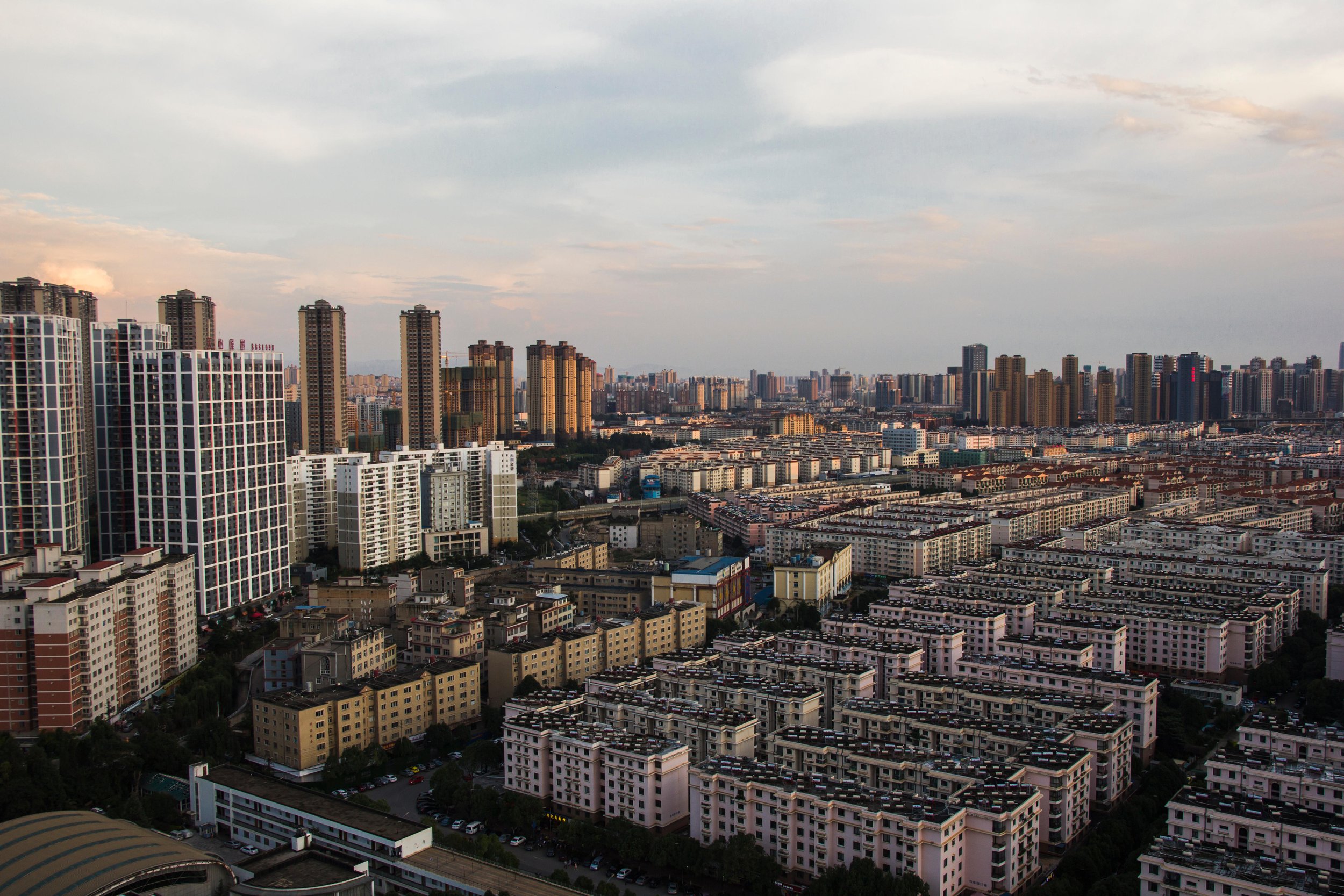
This research project examines how conflict-affected borderlands, like those between Myanmar and China, are intricately connected to development in metropolitan centres. It challenges the idea that these areas are marginalised due to a lack of integration. The project aims to inform strategies for addressing borderland economies and transnational crime.

Smuggling along the new silk road: The role of Global Trade Hubs (GTH)
The project evaluates the role of Global Trade Hubs (GTH) along the maritime Silk Road in facilitating illicit activities, particularly smuggling, leveraging proven methods based on mirror trade statistics. By comparing these findings with existing assessments of illicit activities and flows, the project aims to provide insights into the potential risks associated with GTH involvement in illicit financial flows (IFFs).

Power Brokers and Illicit Markets in the Frontiers: Balochistan, Borderlands and the Taliban
The project seeks to investigate how illicit markets shape and are shaped by the local political, power, patronage and frontier dynamics in Balochistan - the area spanning the frontier regions of three countries: Iran, Pakistan, and Afghanistan.

Exploring the Consequences of Organised Crime and Illegal Trade Displacement on Eurasia
The war in Ukraine and sanctions on Russia are leading to tectonic changes in Eurasia’s illicit scene. The war has disrupted licit and illicit supply chains throughout the region, changed routes of trafficking and shifted production of illicit commodities. This project aims to understand changing dynamics in respect of the following: a) threats in borderlands and seaports; b) opportunities in neighbouring countries as legal companies and criminal enterprises step in to fill the void of meeting the demand on sanctioned goods in Russia; c) actors in smuggling and trafficking; and d) elite bargains related with illicit flows.

Narcotics smuggling in a new Afghanistan
This research is part of the project ‘Monitoring the evolution of the illicit economy in Afghanistan’ which seeks to develop an overarching framework to better understand how a monitoring system for illicit markets in Afghanistan could operate. This will provide policy-makers in Europe and elsewhere with more advanced tools for scenario planning illicit trade developments and thereby formulate more effective policy responses against them. The research paper examines Afghanistan’s narcotics trade and smuggling patterns, which are intertwined in different ways with the economic fate of the Afghan state and society.

Evaluating Afghanistan’s past, present and future engagement with multilateral drug control
This research is part of the project ‘Monitoring the evolution of the illicit economy in Afghanistan’ which seeks to develop an overarching framework to better understand how a monitoring system for illicit markets in Afghanistan could operate. This will provide policy-makers in Europe and elsewhere with more advanced tools for scenario planning illicit trade developments and thereby formulate more effective policy responses against them. With the Taliban capturing control of Afghanistan, what the new regime will mean for illicit economies in the country, the region and the global community more broadly, and how they may evolve in the future, is the subject of this analysis.

Drug trafficking, violence, and corruption in Central Asia
Central Asia experiences minimal direct violence associated with drug trafficking, despite serving as a significant drug trafficking route, with 90 tonnes of heroin flowing annually from Afghanistan to Russia and Europe. The region is emerging as both a transit zone and producer of synthetic drugs, sourced from China, while the demand for heroin grows in Russia and Europe. This project aims to explore the relationship between police corruption, illegal drug trafficking, and violent tactics employed by criminal organisations and/or law enforcement agencies in all four Central Asian countries. The project analyses big data on violence, drug interdictions, and patterns of corruption…

Human trafficking in the Afghan context
Decades of wars and internal conflicts have driven generations and millions of Afghan families into impoverishment, illiteracy, unemployment, and displacement, rendering them unable to provide for their household members, particularly children. Political instability and conflicts have increased human suffering and vulnerabilities, eroded community resilience, stripped people of legitimate and viable economic options, opportunities, and livelihoods, as well as amplifying (in several cases also creating new forms of) human trafficking activities and practices. The research first provides a brief overview of human trafficking situations, forms, their widespread reach and practices in the Afghan context before and after the Taliban’s takeover in August 2021.