
Contested Rare Earth Frontiers in the Myanmar–China Borderlands: Extraction, Conflict and Uneven Development
October 2026
Research Paper 46
Dr Patrick Meehan (University of Manchester), Dan Seng Lawn (KRC), Dr Xu Peng (Manchester / SOAS CIVAD) and Prof Jonathan Goodhand (SOAS, University of London).
SOC ACE Project: The centrality of the margins: Borderlands, illicit economies and uneven development
PUBLICATION SUMMARY
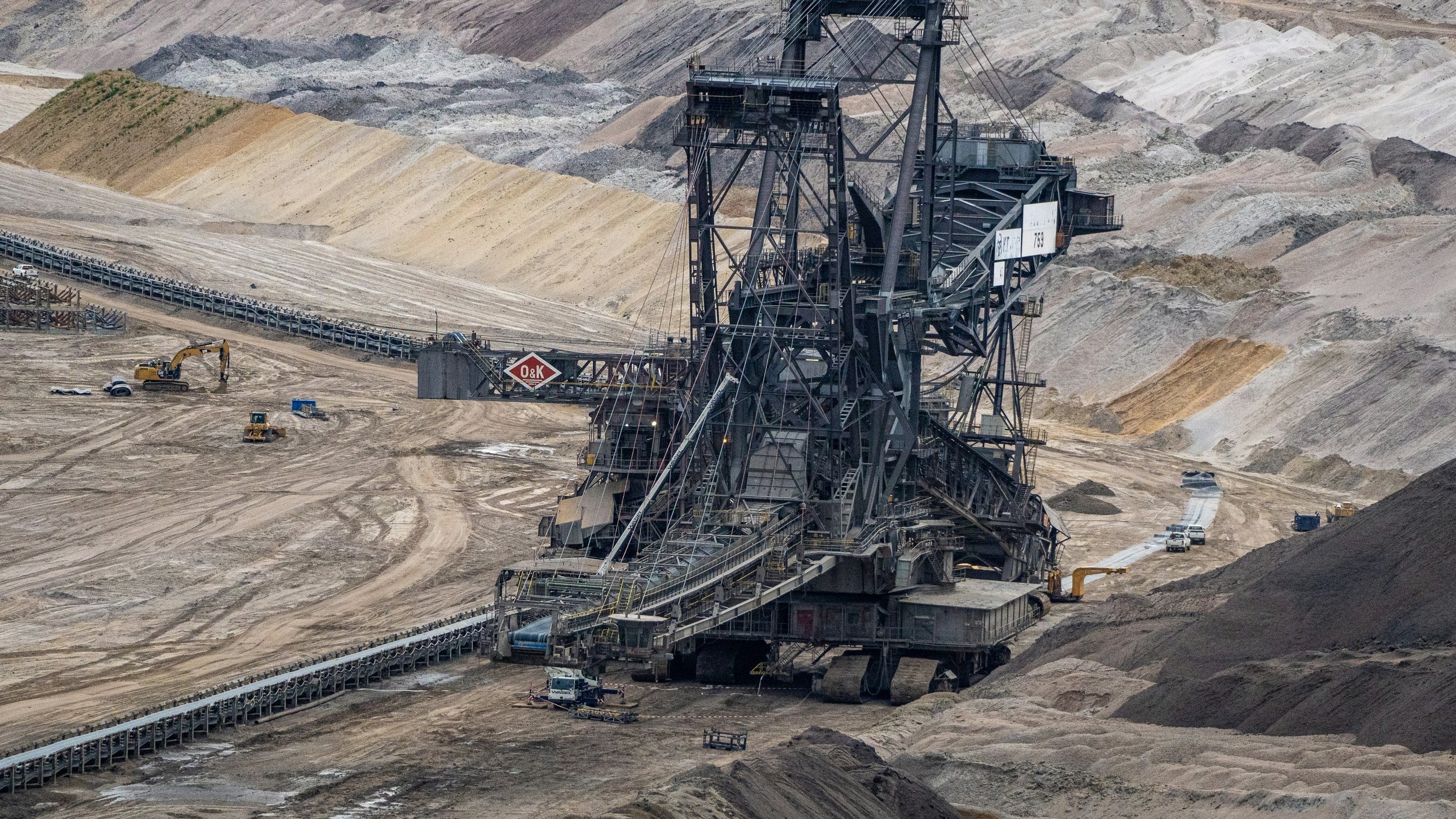
The global race for critical minerals is reshaping extractive geographies and exposing a central contradiction of the green energy transition: decarbonisation and technological development increasingly depend on resource frontiers where environmental destruction, social harm and political violence are concentrated. Rare earth elements illustrate this tension particularly sharply. Essential to wind turbines, electric vehicles and advanced electronics, their extraction and processing can also be highly toxic and environmentally destructive.
This research paper examines these dynamics through the rare earth corridor linking Kachin State in northern Myanmar with Yunnan Province in China. Since the mid-2010s, Kachin State has become one of the world’s most significant sources of heavy rare earths, feeding China-centred processing and manufacturing systems and, through them, global supply chains. Raw materials are largely extracted and exported with little local processing, while environmental and social costs remain concentrated in mining areas.
The paper makes three main arguments. First, seemingly marginal borderlands are central to global production networks. Kachin State has become strategically important to China’s rare earth industry and wider critical mineral supply chains, making the region an active site where sovereignty is negotiated, value is extracted, and political-economic orders are produced.
Second, the concentration of violence, environmental degradation, poverty and illicit activity in northern Myanmar reflects the region’s incorporation into Chinese and global political economies rather than a lack of integration. Rare earth extraction channels value outwards while environmental destruction, labour precarity and livelihood insecurity remain concentrated locally. Fragmented authority, weak regulation and legal ambiguity can also allow extraction to continue while responsibility and accountability are displaced.
Third, extractivism is shaped by the specific political and social relations of the places where it occurs. In northern Myanmar, rare earth extraction is mediated by war economies, armed governance, cross-border brokerage, livelihood strategies, and struggles over land, legitimacy, and territorial authority.
The paper’s key empirical contribution is its analysis of developments since late 2024, when the Kachin Independence Army (KIA), the armed wing of the Kachin Independence Organisation (KIO), took control of all major rare earth mining areas as part of wider territorial gains against Myanmar’s military. This shift exposed the contested foundations of extraction and the competing pressures involved in sustaining it, including wartime finance, territorial consolidation, bargaining with China, border restrictions, labour mobilisation, community livelihoods and local legitimacy.
Drawing on multilingual fieldwork and archival research in Chinese, Burmese and Jinghpaw across Kachin State and Yunnan Province, the research traces how local mining sites connect to wider systems of trade, logistics, regulation and political power.
The paper argues that reducing harm in critical mineral frontiers requires more than technical regulation or a narrow focus on supply security. Due diligence and policy responses need to consider political and territorial conditions, wider networks of extraction, land rights and livelihood dependence. A genuinely just transition requires attention not only to how strategic minerals are secured, but also to the social, political and ecological relations reproduced through their extraction.
RELATED PUBLICATIONS
Flying money, hidden threat: Understanding the growth of Chinese Money Laundering Organisations
Kathryn Westmore (RUSI)
