External stabilisation actors, sponsored militias and their imperative to engage in organised crime
Project Live
PROJECT TEAM
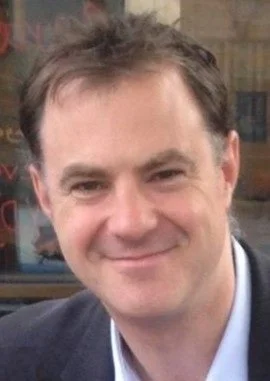
Tom Rodwell
Lead researcher
Tom Rodwell is an independent researcher and policy specialist focusing on conflict, stabilisation, organised crime and security policy. He recently completed ten years with the Foreign, Commonwealth & Development Office (FCDO), including service in the Stabilisation Unit, following earlier roles in the Ministry of Defence, Defence Intelligence and Military Intelligence.
During his government career, he led and contributed to major UK stabilisation initiatives, including as one of the lead commissioners on the Elite Bargains and Political Deals project. He was also lead author of the 2018 UK Guide to Stabilisation and its subsequent refresh. Before entering government service, he worked in the financial sector as a risk analyst and investment manager specialising in emerging markets and served in the British Army.
PROJECT SUMMARY
The project examines the relationship between external sponsorship of militias and their adoption of organised crime to develop financial independence from their patrons.
While existing research considers the problematic nature of militias, their involvement in organised crime and their use as proxy actors by external stabilisation actors, there is less research examining how these dynamics connect. The project explores the proposition that militias may seek financial independence to protect themselves against the loss of external support, with organised crime representing one potential pathway towards greater organisational autonomy.
Using a literature review and comparative case studies, the project asks:
Why do externally sponsored militias seek financial independence from their patrons?
How do militias and non-state armed groups develop financial independence?
What role can organised crime play in helping militias develop greater organisational autonomy?
Under what circumstances might these dynamics emerge?
How can policymakers anticipate and identify these dynamics?
What potential measures could help minimise the harms that militias may cause to Western governments?
The first phase will synthesise academic research, policy publications and practitioner evidence to develop an analytical framework and identify historic case studies involving state-sponsored militias that also engaged in organised crime. These cases will inform the framework used to assess potential contemporary cases in the second phase.
The research will also engage with policymakers and practitioners to incorporate their insights and areas of interest and ensure the findings have practical relevance.
PUBLICATIONS
Media & Events
RELATED PROJECTS

Understanding State Threats
In the last decade, states have faced a rising tide of hostile activities from other states and their proxies, often referred to as ‘state threats’. In a series of SOC ACE-supported workshops in 2023, a taskforce of experienced experts and practitioners from fields including organised crime, financial crime and cybersecurity, identified the need for a more nuanced definition of state threats, and a better grasp of the scale, scope and character of current state threats faced at present. Read more…

Illicit finance and Russian foreign policy: new dynamics and linkages
This project examines how Russia is using illicit financial flows (IFF) to support its military campaign against Ukraine and to further its wider foreign policy goals. The scale of Russian use of illicit financial networks has increased rapidly since February 2022. Unless effectively countered, Russia's use of financial and economic tools will give it an advantage in its war against Ukraine and may begin to pose a potential systemic threat to international financial and trading systems. Read more…
